Guilhermino’s journey through recovery and return to work
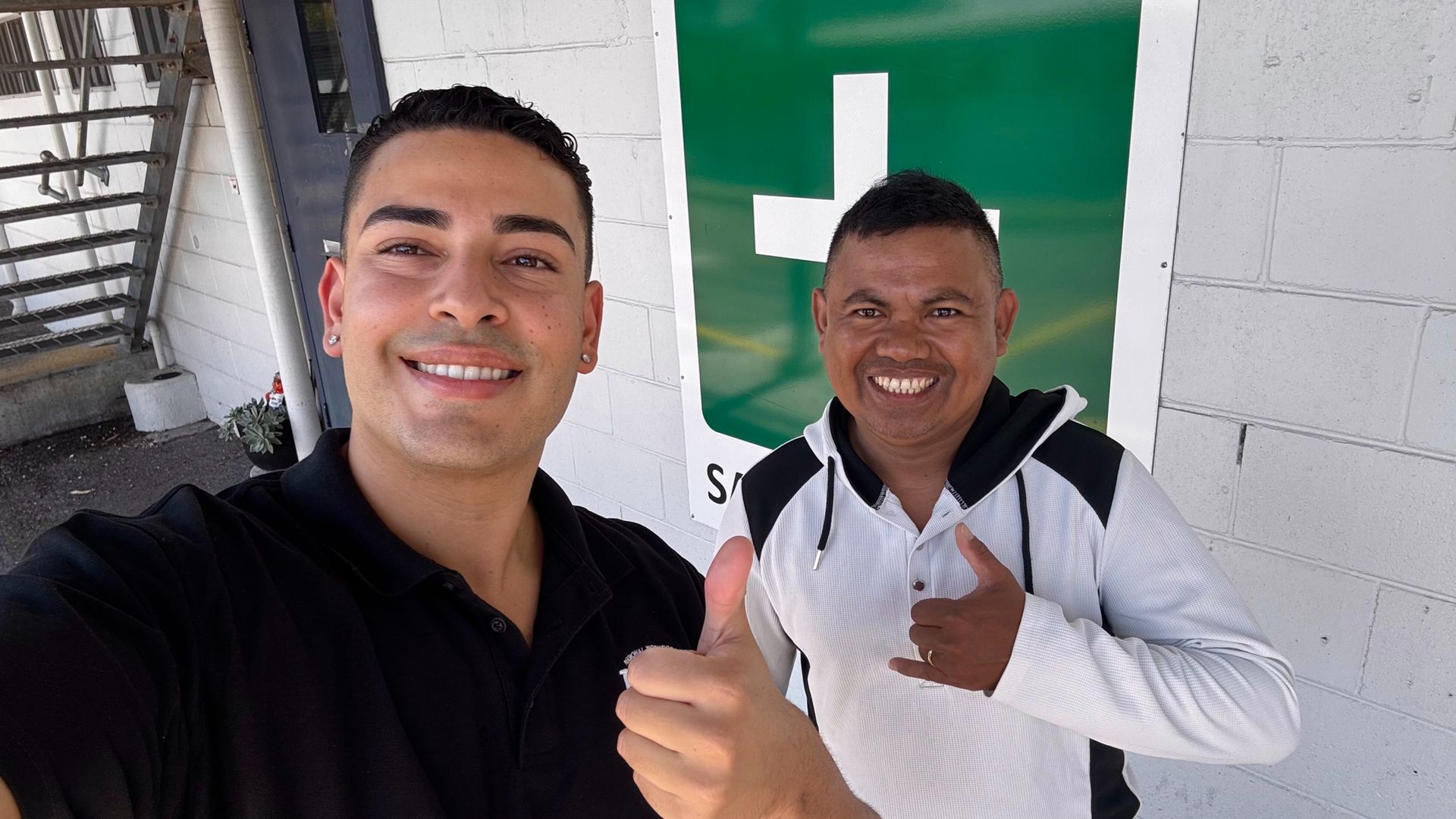
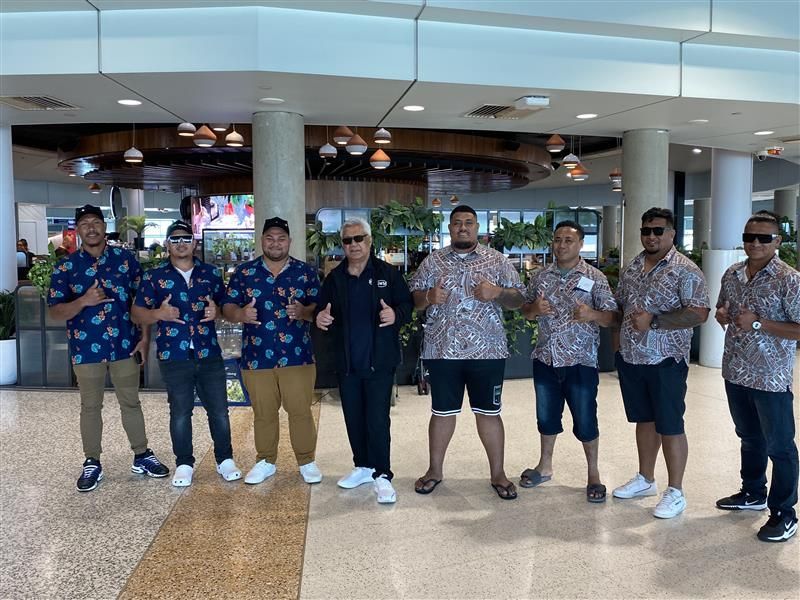
Guilhermino Freitas came to Australia from Timor-Leste through the Pacific Australia Labour Mobility scheme with a simple goal to work hard and support his family back home.
In July 2024, that plan was disrupted when a workplace incident left him seriously injured and requiring hospital treatment and surgery. At the time, Guilhermino was working as a logistics operator at a leading meat processing site in Brisbane.
Over the months that followed, he underwent three surgical procedures and spent five weeks in hospital. By the end of 2024, it was clear recovery would take time, with a return to work uncertain and a stable outcome not expected until mid-2025.
With Regional Workforce Management supporting him through recovery, the focus stayed on clear communication, practical planning and his overall wellbeing. Guilhermino was supported throughout this period by the RWM Recover at Work team and his advisor, Jonathan, who worked closely with him from the outset.
Recognising risk early
Guilhermino remained unfit for work for a period following his injury. Extended time away from work, combined with the seriousness of the injury, increased the risk of delayed recovery without coordinated support.
There were added challenges. Guilhermino was recovering in a country away from his family and familiar support networks. English is not his first language and navigating medical appointments and a workers’ compensation process added pressure during an already difficult period. The RWM Recover at work team recognised early that reducing uncertainty around finances, work security and the recovery process would be critical to keeping Guilhermino engaged and confident.
“At first, I felt very sad,” Guilhermino said. “I was in another country and worried about how I would pay for my treatment.” However, that concern eased once he understood the support available.
“When I heard everything would be covered by WorkCover and supported by RWM, I felt relieved,” he said.
Support that kept recovery on track
Throughout Guilhermino’s recovery, the RWM Recover at Work team stayed focused on keeping communication clear and consistent. Regular check-ins helped him understand what was happening, what decisions were being made and what the next steps would be.
“When the accident happened, I felt well taken care of,” Guilhermino said. “From the moment the team took me to hospital, they were there to help and motivate me.”
The Recover at Work team worked closely with the RWM onsite team, WorkCover, treating providers and the rehabilitation specialist to ensure everyone remained aligned. Check ins followed key appointments and surgical milestones, with plans adjusted based on how Guilhermino was tracking rather than fixed expectations.
“This was a long and uncertain recovery,” Jonathan said. “Without regular check ins and strong coordination between the site, providers and rehabilitation team, it would have been easy for Guilhermino to disengage. Consistent communication helped keep him confident and connected.”
Careful attention was also given to Guilhermino’s mental wellbeing. Long recovery periods, time away from work and separation from family can place real strain on people. Keeping him involved, informed and connected to his workplace helped reduce that risk and supported his confidence as recovery continued.
Planning the return carefully
By early 2025, recovery was moving in the right direction, but the next phase mattered just as much as the surgery itself.
The RWM Recover at Work team focused on building a return to work that matched Guilhermino’s capacity as it improved, rather than pushing toward a fixed date. Physiotherapy supported his strength and mobility, while planning on site looked at what work could be done safely and sustainably.
A site assessment helped review duties and adjust tasks where needed, ensuring Guilhermino could step back into work without risking setbacks. The recovery plan was shaped through ongoing conversations between Guilhermino and the RWM Recover at Work team, treating providers, the rehabilitation specialist and the host employer, with each step agreed before moving forward.
“I feel very happy to return to work,” Guilhermino said. “The team made a work plan based on my personal condition. Now I can do my work normally again.”
A staged return that worked
By April 2025, less than 39 weeks after his injury, Guilhermino returned onsite on reduced hours.
As his strength and confidence improved, he asked to increase his hours. Jonathan worked with the rehabilitation provider, treating team and site to ensure each increase was supported and safe, balancing Guilhermino’s motivation with the need to protect his recovery.
Because the return was structured and closely supported, Guilhermino progressed steadily. By early June 2025, he had returned to his pre-injury hours, earlier than initially expected. By July, he had been performing normal duties consistently without issue and his specialist formally cleared him to continue work with no further review required.
“When the accident happened, I was outside my country and worried about medical costs. Finding out that my treatment was covered was a big relief. I’m very grateful for the support I received to help me recover and return to work. Therapy gave me new energy. Thank you for your kindness,” Guilhermino said.
He also had a message for others.
“To my fellow workers who experience injuries at work, you are not alone,” he said. “There is always someone to help. Follow the doctors’ instructions and trust the team. Believe in yourself that you will recover.”
Why this is important for our PALM workers and Australian businesses
Guilhermino’s recovery shows how active Recover at Work support can change the outcome of a serious injury. This was a high-risk case, involving a long recovery period and extended time away from work. Without early coordination, consistent communication and structured planning, it could have resulted in prolonged absence and increased claim duration.
The Recover at Work teams’ early identification of risk and close coordination with all stakeholders helped keep Guilhermino connected, supported a safe return and enabled him to reach full hours sooner than initially forecast. The absence of secondary psychological injury further reduced the likelihood of recovery extending beyond expectations.
For clients, this approach supports continuity on site, protects productivity and provides confidence that injuries are being managed properly, with clear communication, medical oversight and practical planning throughout recovery.
“This case really reinforced the importance of early, coordinated support,” said Jonathan. “When people feel informed, supported and understood, they stay engaged in their recovery. That makes a real difference, especially for workers who are far from home and navigating an unfamiliar system.”
Looking ahead
Guilhermino has since returned to Timor-Leste after completing his four-year contract in Australia, having recovered and returned to work safely. For Jonathan, the journey reflected the part of the role that matters most.
“Supporting someone through a serious injury isn’t just about processes or timelines,” he said. “It’s about trust, empathy and making sure people don’t feel alone during one of the hardest periods of their lives.”
Being able to finish his time here meant he could continue supporting his family back home, contributing to their education and helping build a more secure future.
It’s something Guilhermino hasn’t forgotten. “I would like to thank the team for supporting me through my treatment and return to work,” Guilhermino said.
Client challenge
Workforce gaps in skilled trades continue to be a major challenge, however, international talent is helping RWM to bridge this gap. One of our clients in the manufacturing sector needed a skilled boilermaker for a long-term role but struggled to find local talent.
What we did
To bridge this gap, we leveraged our international recruitment expertise to connect our client in Victoria with highly skilled boilermakers from overseas to address critical workforce shortages. Lewis and Abel, who joined us from South Africa on three year visas are now contributing their expertise to keep manufacturing operations productive and competitive. We identified talented individuals like Lewis and Abel, facilitated their relocation, and ensured their transition to Australia was seamless.
We provided end-to-end support, from initial recruitment to onboarding, including:
- Comprehensive recruitment: Our process involved conducting in-depth skill assessments and ensuring compliance with visa applications, all tailored to meet the specific needs of the client. This enabled them to access highly skilled tradespeople from across the globe, effectively addressing skill shortages.
- Relocation and mobilisation: Our team handled all the logistics, from coordinating flights to ensuring safe, efficient travel to the worksite. We arranged airport pickups, transport to accommodation, and supported the workers with settling into their new roles, providing a smooth transition for Lewis and Abel’s new international hires.
- Onboarding: We assisted with essential services like opening bank accounts, setting up SIM cards, and completing health checks. Plus, with our 24/7 pastoral care support, we ensured the workers' emotional and cultural well-being, helping them feel welcomed and supported both on-site and off-site
By facilitating a smooth transition, we helped our client secure the skilled workforce needed to maintain efficiency and drive business success.
Solutions delivered
RWM not only helped our client to fill critical skills gaps but also ensureed Lewis and Abel had the support they needed to settle into their new roles – and a new country. Our approach provided a smooth transition for both the business and the workers joining it. Here’s how we made it happen:
- Housing: Upon arrival, both workers were provided with employer-arranged shared accommodation, giving them the time to find a suitable apartment to move into near their work.
- Setting up essentials: Both workers received support with bank accounts, SIM card setups, tax file numbers, and other key services to ensure they were set up and could settle in quickly.
- Community integration: Lewis and Abel quickly acclimated, with Lewis arriving 2 weeks earlier, learning the ropes of Melbourne and then guiding Abel through the adjustment process when he arrived, helping him settle into Melbourne.
- Personalised support: Lewis purchased a car when he arrived in Melbourne, and then spent time introducing Abel to the city when he arrived, further strengthening their friendship and easing the transition.
Impact and results
Both Lewis and Abel have become integral to the client’s operations, contributing their trade expertise to an exciting new project. Their skills have ensured that manufacturing deadlines are met, client expectations are exceeded, and operations remain ahead of schedule.
Their journey highlights RWM’s broader mission: empowering skilled international workers to build futures in Australia while addressing critical skills shortages for clients.
As Lewis reflected, “RWM really looked after us. They arranged our flights, picked us up at the airport, and made sure we had everything we needed, like setting up a bank account and a SIM card.”
The ultimate goal for both workers is to reunite with their families in Australiar, made possible by the opportunities and support provided by RWM.
Looking ahead
By bringing international talent to Australia, RWM continues to solve the challenge of finding skilled tradespeople, helping clients like ours maintain productivity and competitiveness.
If you're facing a shortage of skilled tradespeople, RWM is here to help. Contact us today or reach out to our Recruitment Operations Manager, Maike Holland, at MHolland@fipgroup.com.au, to discuss how we can support your workforce needs.
Bridging the skilled trades gap with international talent
Client challenge
Workforce gaps in skilled trades continue to be a major challenge, however, international talent is helping RWM to bridge this gap. One of our clients in the manufacturing sector needed a skilled boilermaker for a long-term role but struggled to find local talent.
What we did
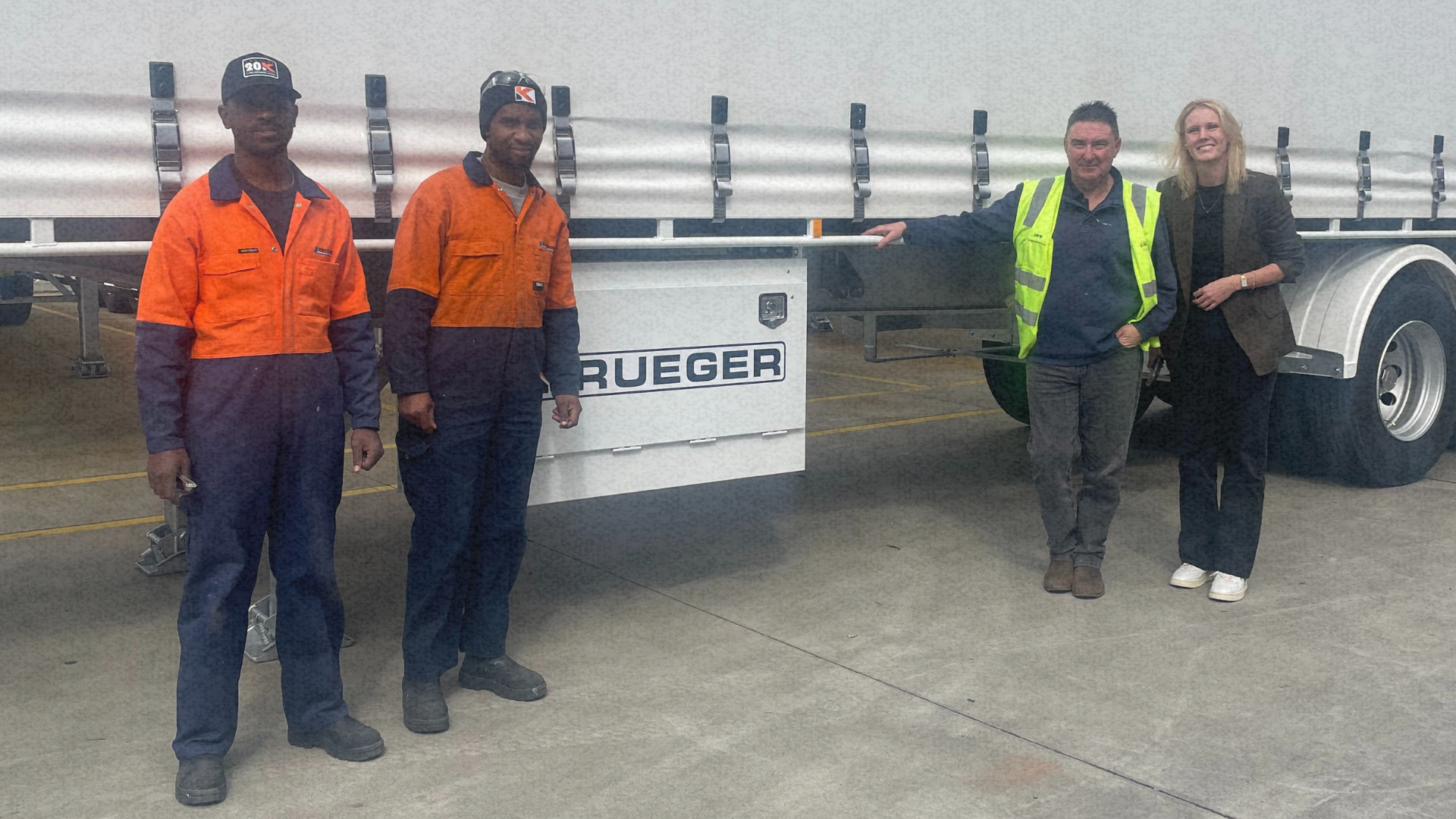
To bridge this gap, we leveraged our international recruitment expertise to connect our client in Victoria with highly skilled boilermakers from overseas to address critical workforce shortages. Lewis and Abel, who joined us from South Africa on three year visas are now contributing their expertise to keep manufacturing operations productive and competitive. We identified talented individuals like Lewis and Abel, facilitated their relocation, and ensured their transition to Australia was seamless.
We provided end-to-end support, from initial recruitment to onboarding, including:
- Comprehensive recruitment: Our process involved conducting in-depth skill assessments and ensuring compliance with visa applications, all tailored to meet the specific needs of the client. This enabled them to access highly skilled tradespeople from across the globe, effectively addressing skill shortages.
- Relocation and mobilisation: Our team handled all the logistics, from coordinating flights to ensuring safe, efficient travel to the worksite. We arranged airport pickups, transport to accommodation, and supported the workers with settling into their new roles, providing a smooth transition for Lewis and Abel’s new international hires.
- Onboarding: We assisted with essential services like opening bank accounts, setting up SIM cards, and completing health checks. Plus, with our 24/7 pastoral care support, we ensured the workers' emotional and cultural well-being, helping them feel welcomed and supported both on-site and off-site
By facilitating a smooth transition, we helped our client secure the skilled workforce needed to maintain efficiency and drive business success.
Solutions delivered
RWM not only helped our client to fill critical skills gaps but also ensureed Lewis and Abel had the support they needed to settle into their new roles – and a new country. Our approach provided a smooth transition for both the business and the workers joining it. Here’s how we made it happen:
- Housing: Upon arrival, both workers were provided with employer-arranged shared accommodation, giving them the time to find a suitable apartment to move into near their work.
- Setting up essentials: Both workers received support with bank accounts, SIM card setups, tax file numbers, and other key services to ensure they were set up and could settle in quickly.
- Community integration: Lewis and Abel quickly acclimated, with Lewis arriving 2 weeks earlier, learning the ropes of Melbourne and then guiding Abel through the adjustment process when he arrived, helping him settle into Melbourne.
- Personalised support: Lewis purchased a car when he arrived in Melbourne, and then spent time introducing Abel to the city when he arrived, further strengthening their friendship and easing the transition.
Impact and results
Both Lewis and Abel have become integral to the client’s operations, contributing their trade expertise to an exciting new project. Their skills have ensured that manufacturing deadlines are met, client expectations are exceeded, and operations remain ahead of schedule.
Their journey highlights RWM’s broader mission: empowering skilled international workers to build futures in Australia while addressing critical skills shortages for clients.
As Lewis reflected, “RWM really looked after us. They arranged our flights, picked us up at the airport, and made sure we had everything we needed, like setting up a bank account and a SIM card.”
The ultimate goal for both workers is to reunite with their families in Australiar, made possible by the opportunities and support provided by RWM.
Looking ahead
By bringing international talent to Australia, RWM continues to solve the challenge of finding skilled tradespeople, helping clients like ours maintain productivity and competitiveness.
If you're facing a shortage of skilled tradespeople, RWM is here to help. Contact us today or reach out to our Recruitment Operations Manager, Maike Holland, at MHolland@fipgroup.com.au, to discuss how we can support your workforce needs.
Client challenge
Workforce gaps in skilled trades continue to be a major challenge, however, international talent is helping RWM to bridge this gap. One of our clients in the manufacturing sector needed a skilled boilermaker for a long-term role but struggled to find local talent.
What we did
To bridge this gap, we leveraged our international recruitment expertise to connect our client in Victoria with highly skilled boilermakers from overseas to address critical workforce shortages. Lewis and Abel, who joined us from South Africa on three year visas are now contributing their expertise to keep manufacturing operations productive and competitive. We identified talented individuals like Lewis and Abel, facilitated their relocation, and ensured their transition to Australia was seamless.
We provided end-to-end support, from initial recruitment to onboarding, including:
- Comprehensive recruitment: Our process involved conducting in-depth skill assessments and ensuring compliance with visa applications, all tailored to meet the specific needs of the client. This enabled them to access highly skilled tradespeople from across the globe, effectively addressing skill shortages.
- Relocation and mobilisation: Our team handled all the logistics, from coordinating flights to ensuring safe, efficient travel to the worksite. We arranged airport pickups, transport to accommodation, and supported the workers with settling into their new roles, providing a smooth transition for Lewis and Abel’s new international hires.
- Onboarding: We assisted with essential services like opening bank accounts, setting up SIM cards, and completing health checks. Plus, with our 24/7 pastoral care support, we ensured the workers' emotional and cultural well-being, helping them feel welcomed and supported both on-site and off-site
By facilitating a smooth transition, we helped our client secure the skilled workforce needed to maintain efficiency and drive business success.
Solutions delivered
RWM not only helped our client to fill critical skills gaps but also ensureed Lewis and Abel had the support they needed to settle into their new roles – and a new country. Our approach provided a smooth transition for both the business and the workers joining it. Here’s how we made it happen:
- Housing: Upon arrival, both workers were provided with employer-arranged shared accommodation, giving them the time to find a suitable apartment to move into near their work.
- Setting up essentials: Both workers received support with bank accounts, SIM card setups, tax file numbers, and other key services to ensure they were set up and could settle in quickly.
- Community integration: Lewis and Abel quickly acclimated, with Lewis arriving 2 weeks earlier, learning the ropes of Melbourne and then guiding Abel through the adjustment process when he arrived, helping him settle into Melbourne.
- Personalised support: Lewis purchased a car when he arrived in Melbourne, and then spent time introducing Abel to the city when he arrived, further strengthening their friendship and easing the transition.
Impact and results
Both Lewis and Abel have become integral to the client’s operations, contributing their trade expertise to an exciting new project. Their skills have ensured that manufacturing deadlines are met, client expectations are exceeded, and operations remain ahead of schedule.
Their journey highlights RWM’s broader mission: empowering skilled international workers to build futures in Australia while addressing critical skills shortages for clients.
As Lewis reflected, “RWM really looked after us. They arranged our flights, picked us up at the airport, and made sure we had everything we needed, like setting up a bank account and a SIM card.”
The ultimate goal for both workers is to reunite with their families in Australiar, made possible by the opportunities and support provided by RWM.
Looking ahead
By bringing international talent to Australia, RWM continues to solve the challenge of finding skilled tradespeople, helping clients like ours maintain productivity and competitiveness.
If you're facing a shortage of skilled tradespeople, RWM is here to help. Contact us today or reach out to our Recruitment Operations Manager, Maike Holland, at MHolland@fipgroup.com.au, to discuss how we can support your workforce needs.